DOGE Is Dead — Promised $2 Trillion, Delivered 10 Cents on the Dollar
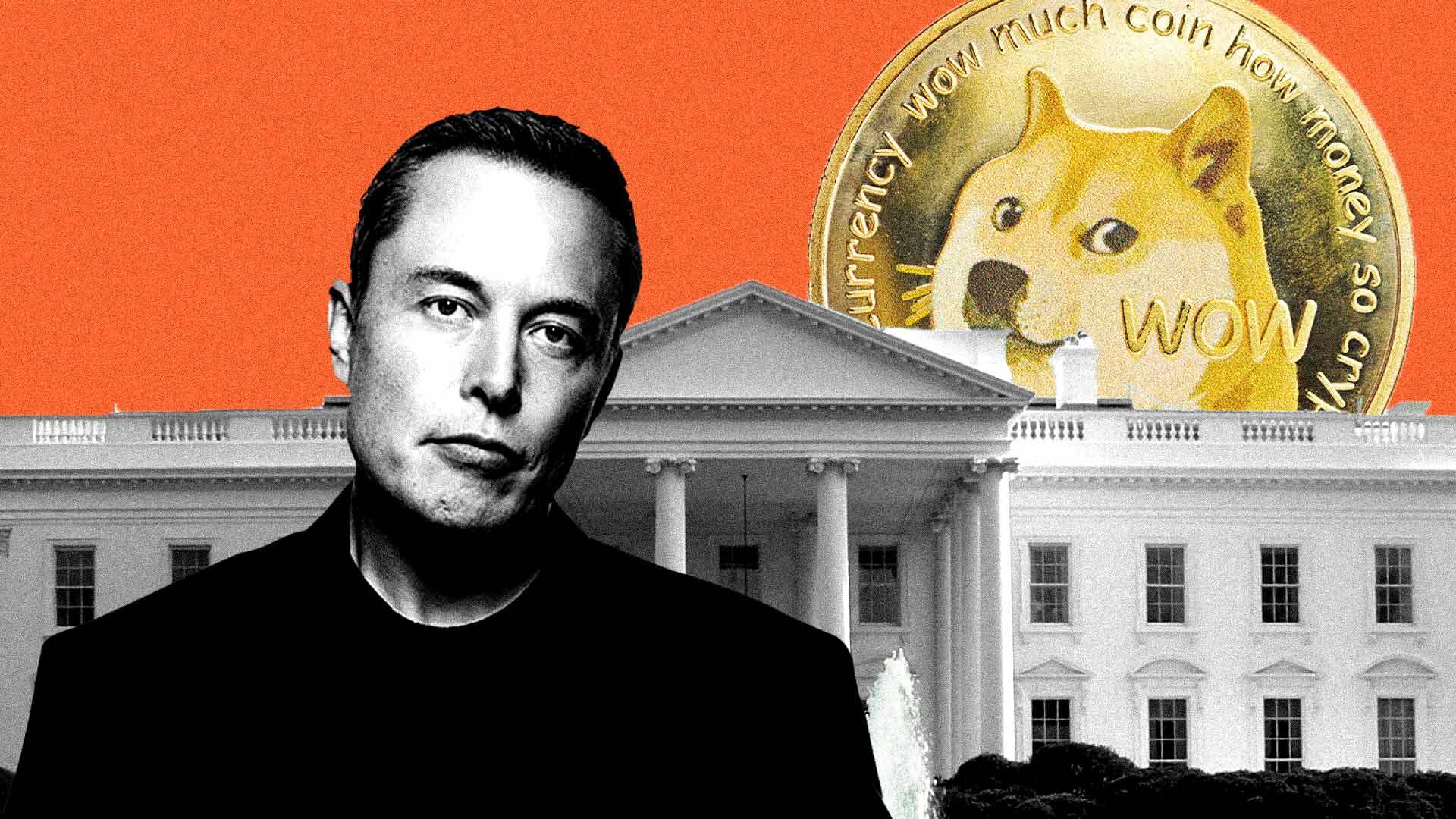
DOGE died on July 4, 2026. Quietly, as planned,
and months after it had already stopped working.
Trump's January 2025 executive order created
the Department of Government Efficiency and
buried a single sentence near the bottom: "The
U.S. DOGE Service Temporary Organization shall
terminate on July 4, 2026." America's 250th
birthday. A gift to the taxpayer, the president
said when he signed it. The gift turned out to
be complicated.
The final tally DOGE put on its own website:
$215 billion in savings. That's $1,335 per
taxpayer by its own math. It's also roughly
3% of a single year's federal budget — which
now runs about $7 trillion annually. Musk had
floated $2 trillion as the target when DOGE
launched. He later walked it back to $1 trillion.
The program landed at $215 billion. Even that
number is disputed: a Senate report found the
agency wasted more than $21 billion in its
rush to cut. Nobody is sure what the net figure
actually is. Office of Management and Budget
Director Russ Vought confirmed this week there
will be no formal closing report. So the public
probably won't find out.
Musk himself left in May 2025, after 130 days
as a special government employee and a public
falling-out with administration officials. His
departure came months before DOGE's savings
tracker went dark on January 1 of this year.
By that point the program had already stopped
functioning as a centralized body. Vivek
Ramaswamy, the other co-leader, had decamped
almost immediately after launch and is now
running for governor of Ohio. DOGE's X account,
which has nearly 5 million followers, went
largely silent months ago.
On July 4, Musk posted a patriotic video
montage to mark Independence Day. He did not
mention DOGE. Michael Saylor, the Bitcoin
evangelist behind Strategy, replied to a Musk
repost with one line: "We can still make
something